Regenerative dentistry and restorative dentistry sound similar, but your Dallas dentist says that they refer to very different approaches to dental care. Knowing how they differ allows you to make informed decisions about your oral and overall health.
Want to find out if regenerative or restorative dentistry is right for you? Call (214) 827-1885 to consult with Dr. Shaun Sigurdson and Dr. Mihir Patel at Lakewood Dental Group in Dallas, TX, today!
What Is Restorative Dentistry?
Restorative dentistry focuses on repairing or replacing damaged or missing teeth. It includes common procedures such as:
- Fillings for cavities
- Dental crowns to restore broken teeth
- Bridges to replace missing teeth
- Dentures for extensive tooth loss
- Dental implants to support artificial teeth
These methods restore function and appearance. Restorative dentistry does not attempt to induce biological tissue regrowth. Instead, it uses durable materials such as metals, ceramics, and resins.
Many patients see our Dallas dentist for restorative treatments after decay, injury, or tooth loss. Restorative dentistry aims to bring comfort and function back quickly.
What Is Regenerative Dentistry?
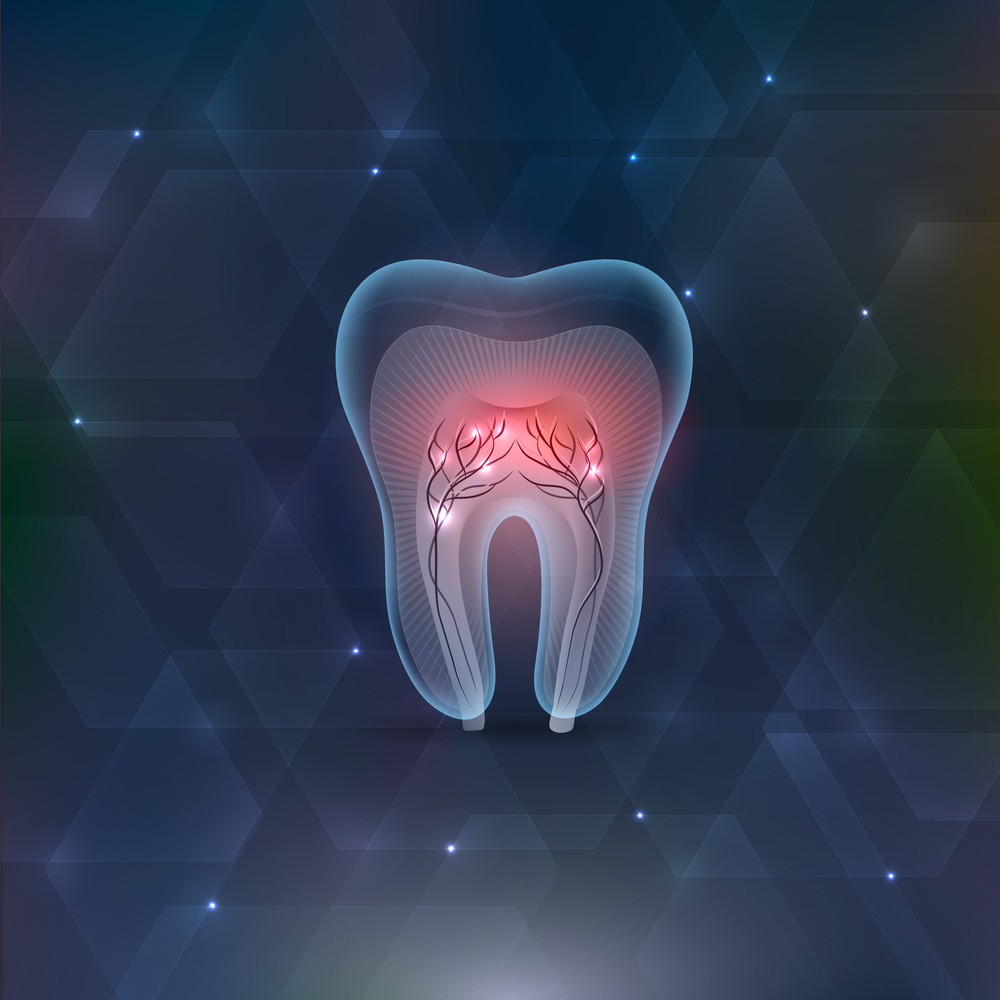
Regenerative dentistry seeks to restore living tissues that have been damaged or lost. Instead of using artificial materials, this approach uses biological materials, cells, or growth factors to encourage the body to heal itself.
The goal is to promote the regrowth of tissues such as:
- Gum tissue
- Bone around teeth
- Dental pulp inside teeth
- Tooth enamel
- Periodontal ligaments that connect teeth to bone
Regenerative dentistry is still emerging. Some therapies are experimental, and others are used selectively in clinical care. While new, dental regeneration is very promising.
How Restorative Dentistry Works
Restorative dentistry includes procedures that most patients recognize. These treatments aim to correct damage from disease or trauma.
Fillings
Fillings repair cavities caused by decay. Your Dallas dentist removes decayed tissue and fills the space with a material that restores tooth shape and prevents further damage.
Crowns
Crowns are caps placed over fragile teeth. They protect and hold the remaining tooth structure while restoring bite function. Your Dallas dentist may use crowns after a large filling or root canal.
Bridges and Dentures
Bridges replace a small number of missing teeth, while dentures can replace most or all teeth. These prosthetics restore chewing and speech.
Dental Implants
Implants anchor artificial teeth into the jawbone. Your Dallas dentist places a titanium post where a tooth is missing and restores it with a crown.
These treatments improve function and appearance but do not regrow living tissues.
How Regenerative Dentistry Works
Regenerative dentistry uses biological tools to encourage natural healing. It is a focus of dental research and clinical innovation.
Stem Cell Therapy
Stem cells can transform into specific types of tissue. In fact, researchers have found that stem cells can regenerate dental pulp and bone while also encouraging revascularization in endodontic treatments. Subsequently, these cells can help restore living tissue inside a tooth rather than filling it with artificial material.
Furthermore, stem cell therapy shows great promise in treating severe periodontal disease, which can destroy periodontal ligaments and gingival tissue. Indeed, recent clinical trials suggest that stem cell therapy may be more beneficial than traditional gum disease treatment. However, more research is required to confirm these findings.
Growth Factors
Growth factors are proteins that signal cells to divide and form new tissues. In dentistry, this means that they guide the growth of bone or gum tissue when placed in the right environment.
Scaffolds
Scaffolds are biocompatible structures that support cells and growth factors. They provide a framework for new tissue formation.
Your Dallas dentist may collaborate with specialists to apply these methods, particularly when bone or gum regeneration is needed before implants or periodontal treatment.
When Does a Dallas Dentist Use Restorative Dentistry?
At Lakewood Dental Group, we use restorative approaches in everyday care. Many patients see our Dallas dentist for:
- Cavity treatment
- Tooth break repair
- Replacing missing teeth
- Restoring worn or fractured teeth
Restorative dentistry is reliable and predictable. It improves comfort, function, and smile aesthetics.
When Does a Dallas Dentist Consider Regenerative Dentistry?
Regenerative dentistry may be considered when there is:
- Bone loss around teeth
- Severe gum disease
- Very thin enamel
- Need for enhanced bone before implant placement
- Trauma that damaged soft or hard tissues
Regenerative methods aim to rebuild the tissues that support teeth. They may reduce the need for extensive prosthetic work later.
Benefits of Restorative Dentistry
Restorative dentistry offers immediate and reliable outcomes:
- Restores chewing and speech
- Corrects pain and sensitivity
- Improves smile esthetics
- Prevents further damage
These benefits make restorative dentistry the foundation of modern dental care.
Benefits of Regenerative Dentistry
Regenerative dentistry may offer:
- Enhanced natural tissue formation
- Better long-term support for teeth
- Reduced need for synthetic materials
- Potential for improved overall oral health
Regenerative approaches may reduce the need for prosthetics in future treatments.
What to Ask Your Dallas Dentist
When discussing treatment options, consider these questions:
- Is regenerative dentistry appropriate for my condition?
- What evidence supports its use?
- What are the risks and benefits compared to restorative dentistry?
- How do costs compare?
- What outcomes should I expect?
These questions help you make informed decisions about your oral health.
Looking Ahead: The Future of Dental Care
The future of dental care may blur the line between regenerative and restorative dentistry. However, as science advances, regenerative methods could become standard in everyday dental practice. Researchers are exploring new ways to rebuild enamel, regenerate entire teeth, and use gene-based therapies to stimulate natural repair mechanisms.
The Difference Matters – Learn More at Lakewood Dental Group
Restorative dentistry repairs or replaces damaged structures with artificial materials. Regenerative dentistry, however, encourages the body to rebuild living tissues. Your Dallas dentist says both approaches have a place in modern dental care, expanding treatment options, leading to stronger, healthier smiles.
If you are curious about new dental technologies, click here to talk to your Dallas dentist about whether regenerative dentistry could benefit your oral health, or call Lakewood Dental Group at (214) 827-1885 for a consultation now.