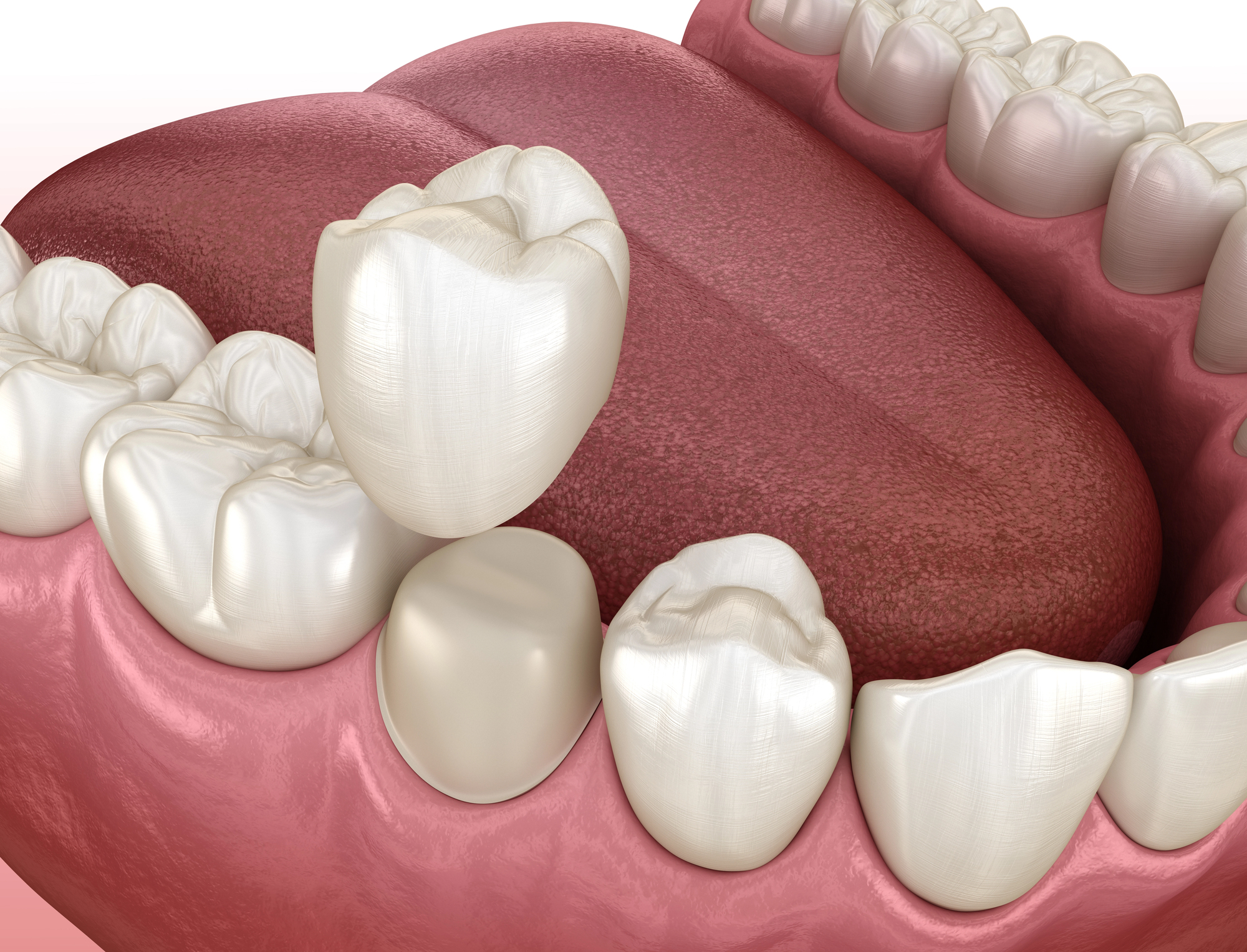
Hearing that you need a dental crown can sound intimidating, but crowns are actually one of the most effective ways to preserve a damaged tooth. Instead of removing the tooth, a crown strengthens and protects it, allowing you to continue chewing, speaking, and smiling with confidence. If you’re searching for information about dental crowns in Dallas TX, understanding how crowns work may help you feel more comfortable with your treatment options.
Wondering whether a dental crown is the right solution for your smile? Call Lakewood Dental Group at (214) 827-1885 to schedule a consultation and learn about your restorative options.
What Is a Dental Crown?
A dental crown is a custom-made restoration that completely covers the visible portion of a damaged tooth. According to the American Dental Association (ADA), crowns are commonly recommended when a tooth is too weak or damaged to be restored with a filling alone.
Crowns are designed to:
- Strengthen weakened teeth
- Restore normal chewing function
- Improve appearance
- Protect against additional damage
Modern crowns are carefully crafted to blend naturally with your surrounding teeth.
1. Crowns Protect Cracked Teeth
A cracked tooth doesn’t always need to be extracted.
In many cases, a crown can hold the remaining tooth structure together and reduce the risk of the crack worsening.
Treating cracks early often helps preserve more of your natural tooth.
2. Crowns Restore Teeth After Root Canal Therapy
Root canal therapy removes infected tissue from inside the tooth, but it may also leave the tooth more vulnerable to fracture.
For many back teeth, placing a crown afterward provides additional strength and long-term protection.
Your dentist will recommend the most appropriate restoration based on the location of the tooth and how much healthy structure remains.
3. Crowns Support Large Fillings
Large fillings can weaken a tooth over time.
When too much natural tooth structure has been lost, replacing another large filling may not provide adequate support.
A crown surrounds the remaining tooth, helping distribute biting forces more evenly.
4. Crowns Improve Appearance
While crowns are primarily restorative, they also provide cosmetic benefits.
They may improve the appearance of teeth that are:
- Severely worn
- Misshapen
- Discolored
- Broken
Today’s dental materials allow crowns to closely resemble natural enamel in both color and shape.
5. Crowns Restore Comfortable Chewing
Damaged teeth often make eating uncomfortable.
A properly fitted crown restores the tooth’s shape and function, allowing many patients to chew more comfortably again.
Being able to enjoy a wide variety of healthy foods supports both oral health and overall wellness.
6. Crowns Can Last for Many Years
Dental crowns are designed to be durable.
According to the ADA, their longevity depends on several factors, including:
- Good oral hygiene
- Routine dental visits
- Healthy biting habits
- Avoiding chewing ice or using teeth as tools
With proper care, many crowns provide reliable function for many years.
7. Crowns Help Preserve Natural Teeth
One of the biggest goals of modern dentistry is preserving natural teeth whenever possible.
Saving a tooth is often preferable to extracting it because natural teeth help maintain proper bite alignment and chewing function.
When appropriate, a crown allows your dentist to restore and protect a tooth rather than replace it.
Caring for Your Dental Crown
Caring for a crown is very similar to caring for your natural teeth.
Continue to:
- Brush twice daily with fluoride toothpaste
- Floss every day
- Keep regular dental checkups and cleanings
- Wear a night guard if you grind your teeth
Routine care helps protect both your crown and the surrounding teeth and gums.
Restoring Your Smile Starts with the Right Treatment
Needing a dental crown doesn’t mean you’ve lost your tooth—it often means you’ve found a way to save it.
With today’s materials and techniques, crowns provide durable, natural-looking results that restore both function and confidence.
If you have a damaged, cracked, or weakened tooth, don’t wait for the problem to worsen. Contact Lakewood Dental Group or call (214) 827-1885 today to schedule an evaluation and learn whether a dental crown is the right solution for your smile.