When it comes to protecting your smile, dental fillings are one of the most common and effective dental treatments available today. They repair cavities, restore strength, and help prevent further decay. However, it’s common to wonder how long dental fillings last and how to know when they need to be replaced.
Understanding the lifespan of dental fillings and the warning signs of failure can help you avoid more serious dental problems in the future. Verify the health of your fillings with Dr. Shaun Sigurdson and Dr. Mihir Patel at Lakewood Dental Group. Call us in Dallas, TX, at (214) 827-1885 for an appointment today!
What Are Dental Fillings?
Dental fillings are restorations that dentists use to repair damaged or decayed teeth. During the procedure, your Dallas dentist removes the damaged section of the tooth and fills the space to reinstate its structure and function. This helps stop bacteria from spreading deeper into the tooth.
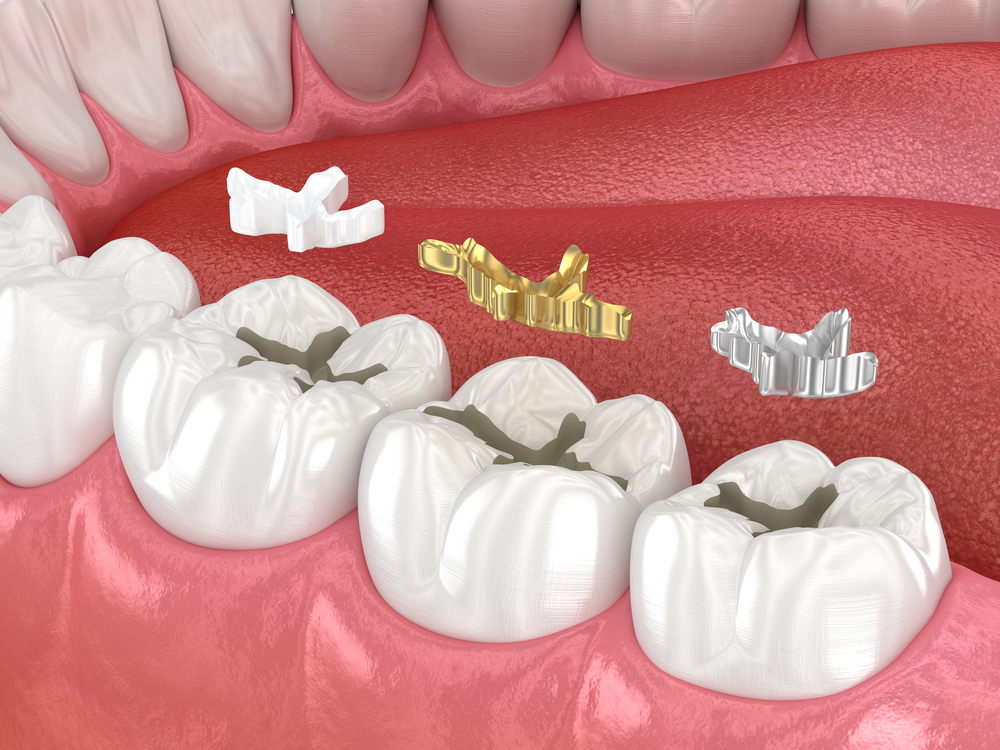
There are several types of dental fillings, and each offers unique benefits:
- Composite resin – Tooth-colored and blends well with natural teeth
- Amalgam (silver) – Strong and long-lasting
- Gold – Durable
- Ceramic – The perfect blend of strength and aesthetic appeal
How Long Do Dental Fillings Last?
The lifespan of dental fillings varies based on several factors, including:
- The location of the filling
- The material used
- How well you care for your teeth
On average, most fillings last between 5 and 15 years. However, some can last much longer with proper care.
The Evolution of Fillings
Modern dentistry has made significant improvements in the durability of fillings. Indeed, many composite fillings can last more than 10 years when placed correctly and maintained well. This shows that newer materials are stronger and more reliable than older versions.
Factors That Affect the Lifespan of Dental Fillings
Several everyday factors can influence how long fillings last. Understanding these factors can help you make better choices for your oral health.
Oral Hygiene Habits
Brushing twice a day and flossing daily are essential for maintaining dental restorations. These habits remove plaque and bacteria that can cause decay around the filling.
Diet and Nutrition
Frequent consumption of sugary or acidic foods can weaken teeth that have fillings, which can shorten the filling’s lifespan. A balanced diet helps protect your teeth and restorations.
Teeth Grinding and Clenching
Grinding or clenching your teeth, also known as bruxism, puts extra pressure on dental fillings. Over time, this pressure can cause cracks or loosening. Wearing a night guard can help protect your teeth and extend the life of your fillings.
Size and Location of the Filling
Larger dental fillings tend to wear out faster than smaller ones. Fillings on back teeth also experience more pressure from chewing. These factors can shorten the lifespan of even high-quality materials.
Signs It’s Time to Replace Dental Fillings
Recognizing the signs of failing fillings is important for preventing more serious problems. Early detection allows for simpler and less invasive treatment.
Tooth Sensitivity
Sensitivity to hot, cold, sour, or sweet foods may indicate that a filling is worn or damaged. This can happen when the seal between the filling and tooth weakens. Bacteria can then enter and irritate the tooth.
Pain When Biting
Pain while chewing is another common warning sign. It may mean the filling is cracked, loose, or no longer fits properly. This type of discomfort should be evaluated by your Dallas dentist promptly.
Visible Damage or Wear
You may notice cracks, chips, or worn edges on your dental fillings. These changes can affect the strength and function of the restoration. Visible damage is a clear sign that replacement may be needed.
Discoloration Around the Filling
Dark spots or staining near a filling can indicate new decay. This happens when bacteria enter small gaps between the filling and the tooth. Regular checkups help detect these issues early.
Loose or Missing Fillings
If a filling falls out, the tooth becomes exposed to bacteria and damage. This situation requires immediate attention. Replacing the filling quickly can prevent further complications.
What Happens If You Delay Replacement?
Delaying the replacement of worn dental fillings can lead to more serious dental issues. Small problems can quickly become larger and more complex.
Taking action early helps preserve your natural teeth. It also reduces the need for more expensive and invasive treatments later.
How Your Dallas Dentists Replace Dental Fillings
Replacing dental fillings is a straightforward process that is usually completed in one visit. Dr. Sigurdson and Dr. Patel use modern tools and techniques to ensure comfort and precision.
First, our team removes the old filling and cleans the area thoroughly. This step eliminates bacteria and prepares the tooth for the new restoration. Then, a new filling is placed and shaped to fit your bite.
The result is a restored tooth that looks and functions like normal. Regular follow-up visits help ensure that the new filling remains in good condition.
How to Make Dental Fillings Last Longer
You can take simple steps to extend the life of your dental fillings. For example:
- Brush your teeth twice daily with fluoride or nano-hydroxyapatite toothpaste
- Floss once a day with traditional floss, interdental brushes, or a water flosser
- Avoid chewing on hard objects like ice, fingernails, or pens
- Wear a night guard to protect your teeth if you grind them
- Book regular dental visits at Lakewood Dental Group to monitor your fillings
Let’s Talk Fillings – Book a Consultation at Lakewood Dental Group Today!
Dental fillings are a reliable and effective way to restore teeth and protect against decay. While they are durable, they do not last forever. Knowing how long dental fillings last and recognizing the signs of wear can help you take action early.
If you notice any changes in your teeth or fillings, do not wait to seek care. Click here to talk to the team at Lakewood Dental Group about replacing old fillings, or call us at (214) 827-1885 to take a proactive approach to your oral health care.