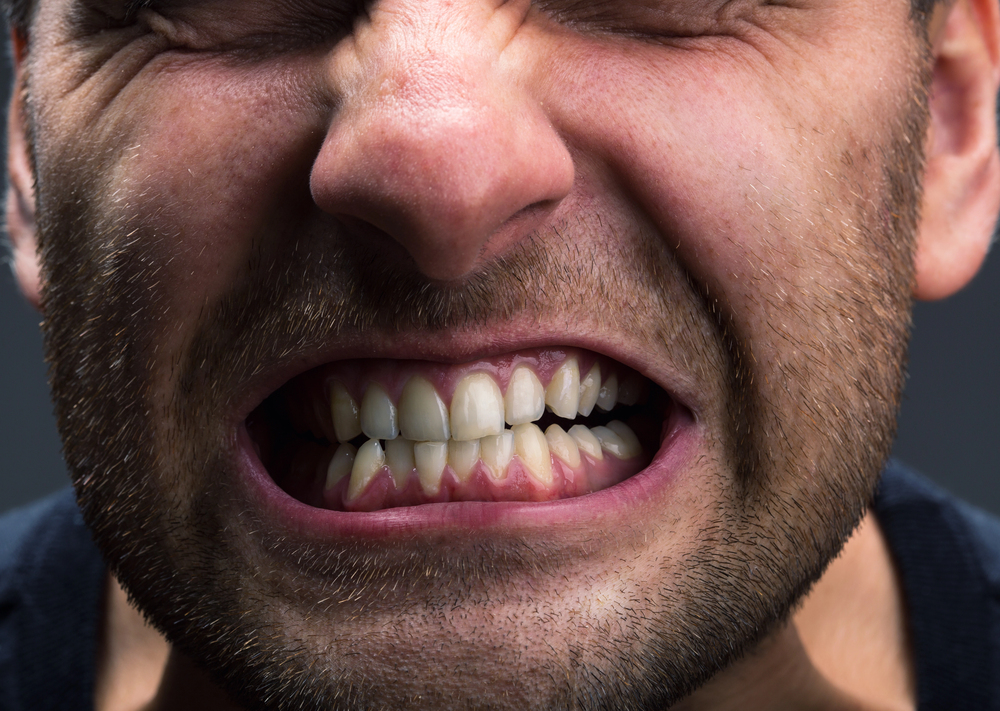
Teeth grinding, also known as bruxism, often happens without you knowing it. That’s why your dentist in Dallas, TX, is here to explain how to recognize grinding early, why it happens, and when to visit Lakewood Dental Group for professional care.
If you catch yourself gritting your teeth or clenching your jaw, you might be suffering from bruxism. Luckily, simple solutions help protect your teeth and long-term oral health. Call Dr. Mihir Patel and Dr. Shaun Sigurdson at (214) 827-1885 to explore bruxism treatment today.
What Is Teeth Grinding?
Teeth grinding, or bruxism, is the repeated clenching or grinding of teeth. It may occur during sleep or while awake, depending on the individual and underlying triggers.
Sleep bruxism is more common and harder to detect because it occurs unconsciously. Based on polysomnography studies, around 43% of the global population may grind their teeth at night. Nevertheless, awake bruxism often develops during periods of stress or intense focus.
Your dentist in Dallas, TX, looks for early signs of wear and muscle strain. Without treatment, bruxism can damage enamel, strain jaw muscles, and increase the risk of fractures.
Why Teeth Grinding Happens
Bruxism does not have a single cause. Instead, it results from a combination of physical, emotional, and neurological factors that influence jaw muscle activity.
Stress and Anxiety
Stress is one of the strongest contributors to teeth grinding. Many people clench their jaw when anxious, overwhelmed, or emotionally tense, even without realizing it.
This clenching often continues during sleep, especially during periods of ongoing stress. Your dentist in Dallas, TX, frequently sees increased bruxism symptoms during high-stress life events.
Lifestyle Habits
Caffeine, alcohol, and nicotine may increase jaw muscle activity and nervous system stimulation. These substances can intensify grinding, especially when consumed close to bedtime.
Certain medications, including some antidepressants, may also contribute. Your dentist in Dallas, TX, reviews lifestyle factors during evaluation to determine the root cause of grinding.
Bite and Jaw Alignment
An uneven bite, missing teeth, or jaw misalignment may increase grinding forces. These imbalances cause teeth to meet unevenly, increasing muscle strain.
Your dentist in Dallas, TX, evaluates how your teeth fit together during routine exams. Correcting bite issues with braces or clear aligners may reduce grinding severity over time.
Common Signs You May Be Grinding Your Teeth
Because bruxism frequently occurs during sleep, symptoms are often indirect. Many patients do not realize what is happening until physical signs develop.
Worn or Flattened Teeth
Grinding causes teeth to lose their natural contours. Over time, edges may appear flat, chipped, or uneven.
This type of wear is one of the most common findings your dentist in Dallas, TX, sees in patients with bruxism. Early detection helps prevent advanced damage.
Jaw Pain or Stiffness
Soreness in the jaw, especially after waking, is a telltale sign of nighttime grinding. Patients often describe tightness or fatigue when opening their mouth.
This discomfort occurs because jaw muscles work excessively during grinding episodes. Persistent jaw pain should always be evaluated by your dentist in Dallas, TX.
Headaches and Facial Pain
Many patients experience morning headaches related to overworked jaw muscles. These headaches often feel dull and pressure-like.
Facial pain near the temples or ears may also occur. Your dentist in Dallas, TX, can help determine whether grinding is the underlying cause.
Tooth Sensitivity
Enamel erosion from grinding exposes sensitive inner layers of teeth. This can cause pain when consuming hot, cold, or sweet foods.
Sensitivity may worsen over time if grinding continues. Your dentist in Dallas, TX, can recommend protective solutions.
Cheek or Tongue Damage
Grinding can cause ridges or indentations along the tongue. It may also irritate the inside of the cheeks.
These soft-tissue signs often accompany chronic bruxism. That’s why Dr. Sigurdson and Dr. Patel routinely check for them during exams.
Noise During Sleep
A sleep partner may hear grinding or clicking sounds at night. This is one of the clearest indicators of sleep bruxism.
If someone reports these noises, it’s important to consult your dentist in Dallas, TX, promptly.
How Your Dentist in Dallas, TX, Diagnoses Teeth Grinding
Your dentist in Dallas, TX, uses several clinical methods to identify bruxism accurately. Diagnosis focuses on both dental findings and patient-reported symptoms, which may include.
- A thorough dental examination
- Muscle and joint assessment
- Bite evaluation
- Health and sleep history assessment
If sleep disorders are suspected, your dentist in Dallas, TX, may recommend a sleep study. This is because sleep apnea and bruxism often coexist. Plus, collaboration with medical providers improves long-term outcomes.
Why Early Detection Matters
Ignoring teeth grinding can lead to serious dental problems. Damage often progresses silently over time.
Your dentist in Dallas, TX, can prevent complications such as enamel loss, cracked teeth, gum recession, and chronic jaw disorders through early care.
Treatment Options for Bruxism
Once diagnosed, your dentist in Dallas, TX, creates a personalized treatment plan. Treatment focuses on protection, symptom relief, and addressing underlying causes.
Custom Night Guards
Custom mouth guards (often called night guards) protect teeth and reduce muscle strain. They fit precisely in your mouth and outperform store-bought guards in both comfort and function.
Bite Correction
Adjusting uneven bite forces may reduce grinding intensity. Bite correction may involve restorations or orthodontic treatment to improve overall jaw balance.
Stress Reduction Strategies
Relaxation techniques and behavioral therapy can reduce stress-related clenching. These strategies are especially helpful for awake bruxism. Ask your dentist in Dallas, TX, to recommend supportive therapies at your next visit.
Sleep Hygiene Improvements
Improving sleep routines supports better sleep, which supports nervous system regulation. Consistent schedules and reduced screen time are great ways to improve your sleep hygiene.
Lifestyle Adjustments
Reducing caffeine, alcohol, and tobacco can help decrease muscle activity. These changes often improve overall health as well as oral health.
Medication When Appropriate
Short-term medications like muscle relaxers or Botox® may be ideal in select cases. These are typically managed alongside medical providers. However, these medications are not usually a long-term solution.
Beat Teeth Grinding with the Best Dentist in Dallas, TX
Teeth grinding is common, often silent, and highly treatable. Recognizing the signs early makes a significant difference.
Your trusted dentist in Dallas, TX, can identify grinding, protect your teeth, and help improve your quality of life. If you suspect bruxism, click here to schedule an evaluation at Lakewood Dental Group, or call us at (214) 827-1885 to take the first step toward protecting your smile.