Many patients considering dental implants often ask if they truly last forever. This question is important because dental implants are a financial investment as much as they are an investment in both oral health and confidence. As part of restoration dentistry, implants have become the most reliable, successful, and comfortable solution to replace missing teeth permanently.
Implants are the only tooth-replacement option that truly feel and function just like your own teeth. However, teeth implants aren’t for everyone. Verify your candidacy and learn more about this procedure during a consultation with Dr. Shaun Sigurdson and Dr. Mihir Patel. Contact Lakewood Dental Group at (214) 827-1885 to book your appointment in Dallas, TX, today!
Dental implants offer strength, function, and aesthetics that often surpass other options. But do they really last a lifetime? Let’s explore the truth behind the durability of dental implants, factors that affect their lifespan, and what you can do to keep them strong for decades.
How Dental Implants Work
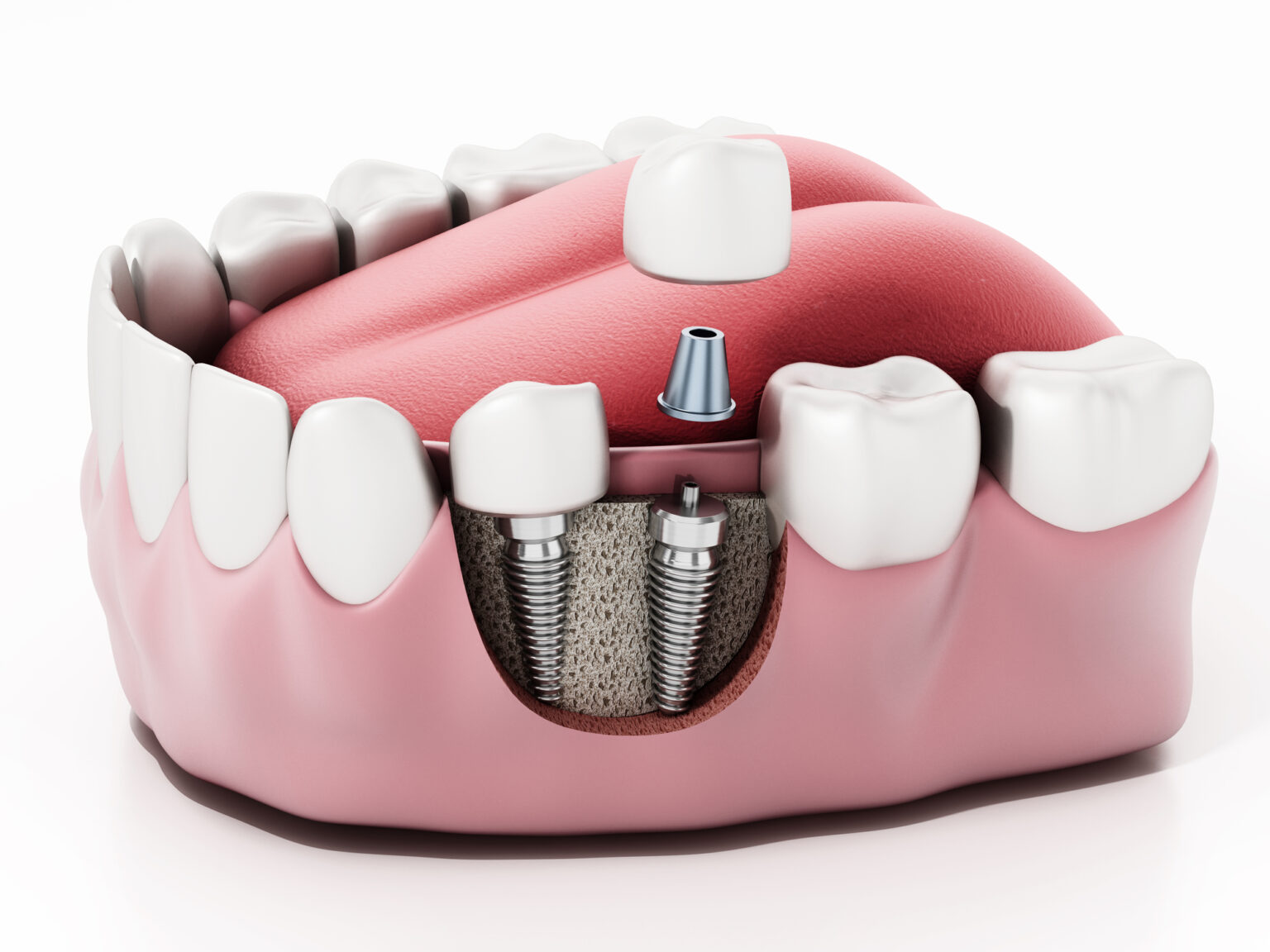
To understand longevity, it helps to know how implants function. A dental implant is a strong, metallic screw that a trained professional surgically embeds into the jawbone.
Over time, the bone naturally fuses with the implant through a process called osseointegration. Once healed, the implant becomes a permanent part of the mouth, acting like a natural tooth root.
Because implants bond directly with bone, they can securely hold dentures, crowns, and bridges in place. Subsequently, they provide stability unmatched by other tooth replacement options.
The design allows patients to eat, speak, and smile without worrying about slipping or movement. This secure foundation is one reason dental implants are considered long-term solutions.
The Average Lifespan of Dental Implants
Many patients wonder if dental implants can last a lifetime. Research shows that most implants can remain strong for 20 years or longer. In fact, some studies suggest success rates above 95% even after a decade of use.
With proper care, many implants do last a lifetime. However, the restoration on top of the implant, such as a crown or denture, may need replacement after 10 to 15 years due to wear.
The titanium implant itself is designed to remain stable as long as the surrounding bone and gums stay healthy. This makes implants a reliable part of restoration dentistry.
Factors That Influence Longevity
Several factors can affect the longevity of dental implants. Bone quality plays a big role, since strong bone supports long-term success. Patients with healthy gums and good oral hygiene also see longer results.
Lifestyle habits matter as well. Smoking, poor diet, and teeth grinding can all shorten the life of an implant.
Age is less of a factor. In general, implants are successful in both younger and older patients.
Overall health, including conditions like diabetes, may also affect healing and longevity. By addressing these factors, patients can greatly increase the lifespan of their implants.
How Oral Hygiene Affects Implants
Even though dental implants cannot decay like natural teeth, they still require excellent care. Plaque and bacteria can collect around the gums and cause peri-implantitis, a condition similar to gum disease. If untreated, this infection can lead to bone loss and implant failure.
Daily brushing, flossing, and regular dental visits at Lakewood Dental Group are essential for preventing problems. Using interdental brushes or water flossers can help clean around implants more effectively.
Our Dallas dentists will often recommend professional cleanings twice a year to ensure long-term success. With proper hygiene, implants can last for decades without issue.
The Role of Diet and Lifestyle Choices
What you eat and how you live impacts the lifespan of dental implants. Hard foods, excessive sugar, and acidic drinks can stress implants and restorations.
Smoking slows healing and increases the risk of bone loss around the implant. Teeth grinding, or bruxism, also puts extra pressure on implants and can damage the surrounding bone.
A balanced diet with calcium and vitamin D supports bone health, which in turn supports implant stability. Making healthier choices and avoiding harmful habits can add years to the life of your implants.
The Longevity of the Restorations
It is important to note that while dental implants themselves may last a lifetime, the attached restorations often need replacement.
Crowns, bridges, and dentures can wear down from daily chewing and biting. On average, crowns last between 10 and 15 years. Bridges and dentures may also need adjustment or replacement over time.
Fortunately, replacing the restoration is much simpler than replacing the implant itself. Many patients enjoy decades of stable implants while updating the visible restoration when needed. This makes implants one of the most cost-effective solutions in restoration dentistry.
Can Dental Implants Fail?
Though rare, dental implants can fail. Early failure occurs if the implant does not bond properly with bone during healing. Late failure may happen due to gum disease, bone loss, or trauma. Factors like smoking and uncontrolled health conditions increase the risk of both early and late failure.
However, failure rates are very low when patients follow instructions and maintain good oral health. If failure does occur, implants can often be replaced after proper treatment.
Working closely with your dentist in Dallas, TX, ensures the best outcome and lowers the risk of complications.
How to Make Dental Implants Last Longer
There are many steps you can take to extend the life of dental implants:
- First and foremost, maintain excellent oral hygiene by brushing twice a day and flossing daily.
- Second, visit Lakewood Dental Group regularly for cleanings and checkups.
- Third, avoid smoking, which increases the risk of failure.
- Fourth, wear a nightguard if you grind your teeth.
- Finally, avoid tobacco and alcohol, and eat a balanced diet that supports bone and gum health.
Following these steps not only protects implants but also supports overall oral health. Patients who commit to these habits often enjoy implants for life.
Lakewood Dental Group – Delivering Lifelong Smiles with Dental Implants
So, do dental implants really last a lifetime? The answer is yes, if cared for properly. While the restoration atop the implant may need replacement, the implant itself can remain healthy for decades.
Choosing implants means choosing lasting comfort, confidence, and health. Learn more about this procedure and verify your candidacy – click here to schedule a consultation at Lakewood Dental Group, or call us in Dallas, TX, at (214) 827-1885 to set up your appointment now!